



As we explore the tax consequences of earnings from the Fishin Frenzy slot game in the UK, it’s important to comprehend how our gambling activities are managed under UK law. Unlike many areas, we have a tax-free setting for our winnings, but there are details to reflect upon. Are there limits we should be mindful of regarding declaring and rules? Let’s examine these aspects together to ensure we’re fully knowledgeable on this subject.
Key Highlights
- Gambling profits, including from Fishin Frenzy, are tax-free in the UK, giving a significant financial advantage to players.
- Players should be aware that profits from games of chance do not lead to tax duties under UK gambling regulations.
- Large winnings might attract examination from HMRC; ensuring transparency is vital to prevent potential tax consequences.
- Grasping the nature of the game (chance-based) is crucial for compliance with rules regarding gambling winnings.
- Aware players can maximize enjoyment of Fishin Frenzy while guaranteeing they adhere to gaming rules and reporting obligations.
Grasping Gambling Profits and Taxes in the UK
When we consider about gambling winnings in the UK, it’s crucial to understand the framework of taxation that surrounds it. The UK features a unique system where gambling winnings aren’t taxed, which sets apart us from many other countries. This can greatly affect player demographics; with a variety of age groups now participating in online gaming, we see significant shifts in participation driven by recent gambling industry trends. Furthermore, these trends indicate an increasing popularity for games like slots, drawing a wider audience. By recognizing these patterns and understanding the regulatory environment, we can better manage our potential winnings while remaining conscious of the broader gambling context. Ultimately, understanding the stakes, both financial and legal, guides our responsible gaming practices.
Tax-Free Gambling Winnings: The Basics
Gambling winnings in the UK, including those from favored slots, don’t incur tax obligations, making the betting landscape particularly appealing. As we examine this aspect, we must acknowledge the significance of tax exemptions under current UK gambling regulations. Players can be glad knowing that winnings from games of chance, such as slots, aren’t taxed, enhancing the allure of online gaming. These regulations foster a competitive environment, inspiring both casual and dedicated players. However, it’s crucial to remain knowledgeable about other financial aspects related to gambling, like potential consequences on income or future winnings. Understanding these elements assures we maximize our enjoyment while remaining aligned with the overarching gambling framework in the UK.
The Role of Betting Duty in Online Gaming
Let’s explore the influence of betting duty on online gaming and how it forms our comprehension of tax obligations. We’ll consider the diverse betting duty rates and the specific online gaming tax regulations that impact operators and players alike. By elucidating these aspects, we can better manage the financial repercussions of our gaming activities.
Understanding Betting Duty Rates
While exploring the intricacies of online gaming, we must admit the notable role that betting duty rates fulfill in molding the landscape of gambling transactions. These rates place a financial obligation on operators, affecting pricing strategies and player experiences. Understanding betting terminology is crucial here, as terms like “gross gaming yield” help clarify how these duties influence profits. Duty calculations differ across diverse types of bets and games, impacting everything from payout structures to how much players ultimately receive. As we explore this segment, it’s important to acknowledge that these rates not only determine the cost of play but also show wider regulatory objectives within the UK gambling framework. Understanding around these duties helps us grasp their consequences for both operators and players alike.
Online Gaming Tax Regulations
In the domain of online gaming, grasping the tax laws, particularly betting duty, becomes vital for both operators and players. We understand that betting duty is a key financial requirement for online gaming platforms, as it directly impacts profitability and operational transparency. This duty, charged on the winnings made by players, serves as a crucial revenue source for the UK government. For operators, ensuring regulatory compliance is not just about meeting fiscal responsibilities; it also fosters trust within the player community. By maintaining adherence to these regulations, we contribute to a more regulated gaming environment. Ultimately, grasping the nuances of betting duty allows us to traverse the complexities of the online gaming landscape more effectively, ensuring aware gameplay and responsible operations.
Distinguishing Between Skill and Chance Games
As we investigate the tax implications of gambling winnings in the UK, it is crucial to distinguish between skill and chance games, since this classification can greatly influence the legal and financial landscape for players.
- Skill-based gaming
- Chance-based gaming
- Hybrid gaming
Grasping these distinctions aids us traverse the regulatory environment and their associated tax implications. Whether we’re involved in skill-based gaming or chance-based gaming, understanding the nature of our games is vital for compliance and taxation purposes.
Reporting Requirements for Large Winnings
Understanding the difference between ability and chance games not only influences our playing style but also impacts how we handle the reporting of large winnings. In the UK, while we don’t pay levies on our slot winnings, it’s important to adhere to relevant reporting guidelines if we receive considerable amounts. Significant winnings can trigger examination from HM Revenue and Customs (HMRC), especially if we’re regular players or if other income sources are present. We must remain open about our gambling activities to ensure compliance and avoid potential tax consequences. Documenting our winnings accurately can help clarify our financial status during any inquiries, emphasizing the importance of understanding our duties as players, especially when achieving substantial financial success.
How to Keep Records of Your Gambling Activity
Keeping track of our gambling actions is crucial for both personal responsibility and compliance with any potential examination from HMRC. Efficient record keeping can simplify this process. We should keep comprehensive gambling logs that document our activity completely.
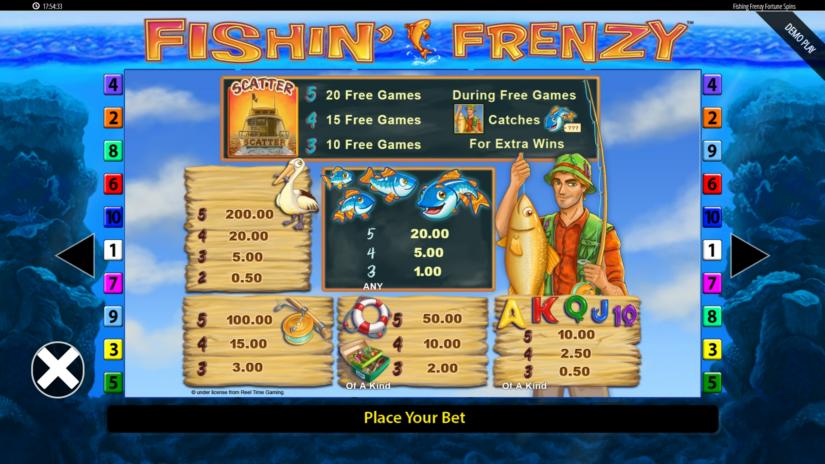
Here are three essential items to track:
- Date and time
- Game type and stakes
- Wins and losses
Seeking Professional Advice for Tax Matters in Gambling
Although we may have a strong grasp of our gambling activities and their consequences, maneuvering the tax landscape can be challenging. To traverse these obstacles successfully, we should think about engaging in professional consultations. Tax professionals focus in the intricacies of gambling-related income and can help us determine our responsibilities while optimizing our write-offs. They can lead us in tax planning, making sure we understand any possible liabilities from our winnings. Furthermore, a professional can offer customized advice based on our specific situations, providing us with peace of mind as we enjoy our gaming activities. Finally, seeking expert assistance helps us adhere to tax rules, permitting us to concentrate on what we enjoy about gambling without unnecessary anxiety about tax effects.
Conclusion
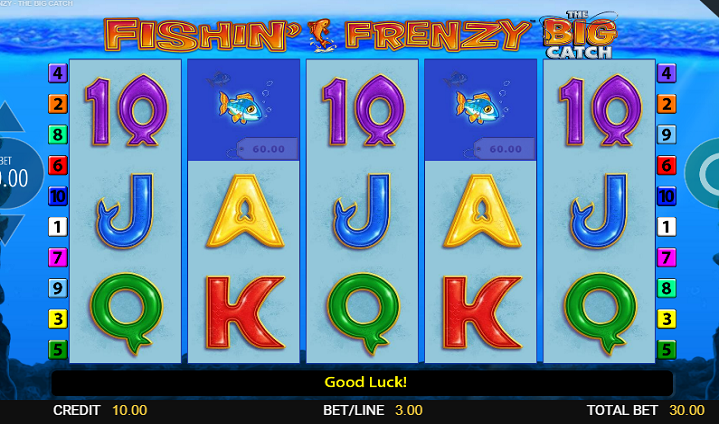
In essence, the tax-free condition of gains from the Fishin Frenzy slot game highlights the UK’s player-friendly stance to gambling. By comprehending the details of gambling regulations and realizing that our gains don’t require declaring to HMRC, we can have a stress-free gaming time. However, we must stay attentive about maintaining documentation for significant wins and be conscious of betting levies. For any complexities, seeking a tax professional can ensure guarantee we’re taking informed decisions.